


SpaceX has delivered one of the most consequential quarterly financial reports in the aerospace industry’s history, announcing $14.6 billion in third-quarter 2026 revenue, a 161% increase over the same period last year. The results, released October 20, revealed a company undergoing a remarkable transformation as artificial intelligence infrastructure overtakes traditional spaceflight operations as its largest source of revenue.
The publicly traded aerospace company, listed on Nasdaq under the symbol SPCX, reported net income of $4.4 billion, reversing a $1.1 billion loss during the corresponding quarter of 2025. Adjusted earnings before interest, taxes, depreciation, and amortization reached $8.8 billion, representing a 306% year-over-year increase. The results exceeded Wall Street expectations and sent SpaceX shares sharply higher during trading on October 21.
Artificial Intelligence Becomes SpaceX’s Largest Business
Perhaps the most striking revelation was the extraordinary expansion of SpaceX’s Super Intelligence division. The business generated approximately $7.56 billion in quarterly revenue, compared with approximately $813 million one year earlier, an increase of approximately 830%.
The division now accounts for approximately 52% of SpaceX’s total quarterly revenue. Its growth reflects expanding artificial intelligence computing services, infrastructure agreements, software applications, and the company’s acquisition of AI development platform Cursor.
Super Intelligence also reported approximately $431 million in operating income, a dramatic improvement from its $1.72 billion operating loss in the third quarter of 2025. However, its profitability remains accompanied by exceptionally high infrastructure investment.
Starlink Continues Its Rapid Global Expansion
SpaceX’s Connectivity division, which includes Starlink satellite broadband services, generated approximately $5.25 billion in revenue, an increase of 69% over the previous year.
Starlink’s consumer subscriber base reached approximately 13.6 million, increasing by 1.6 million from the preceding quarter. The division recorded operating income of approximately $2.37 billion, demonstrating the financial importance of recurring satellite communications revenue.
Starlink remains a major contributor to SpaceX’s operating profitability, supporting the company’s broader ambitions in launch technology, orbital infrastructure, and artificial intelligence.
Rocket Operations Face a Different Financial Reality
SpaceX’s traditional Space division generated approximately $1.77 billion in quarterly revenue, representing modest growth from the previous year. Despite that revenue, the division reported a $7 million operating loss.
The figures illustrate an important distinction between SpaceX’s technological achievements and the economics of its individual business segments. Rocket launches remain fundamental to the company’s identity and infrastructure, but they no longer dominate its financial results.
During the quarter, SpaceX also reported its first revenue-generating Starship mission, which deployed 26 next-generation Starlink V3 satellites. According to the company, the mission delivered approximately ten times the additional downlink capacity of a typical Falcon 9 Starlink launch.
Musk Confirms Possible Tesla Merger Discussions
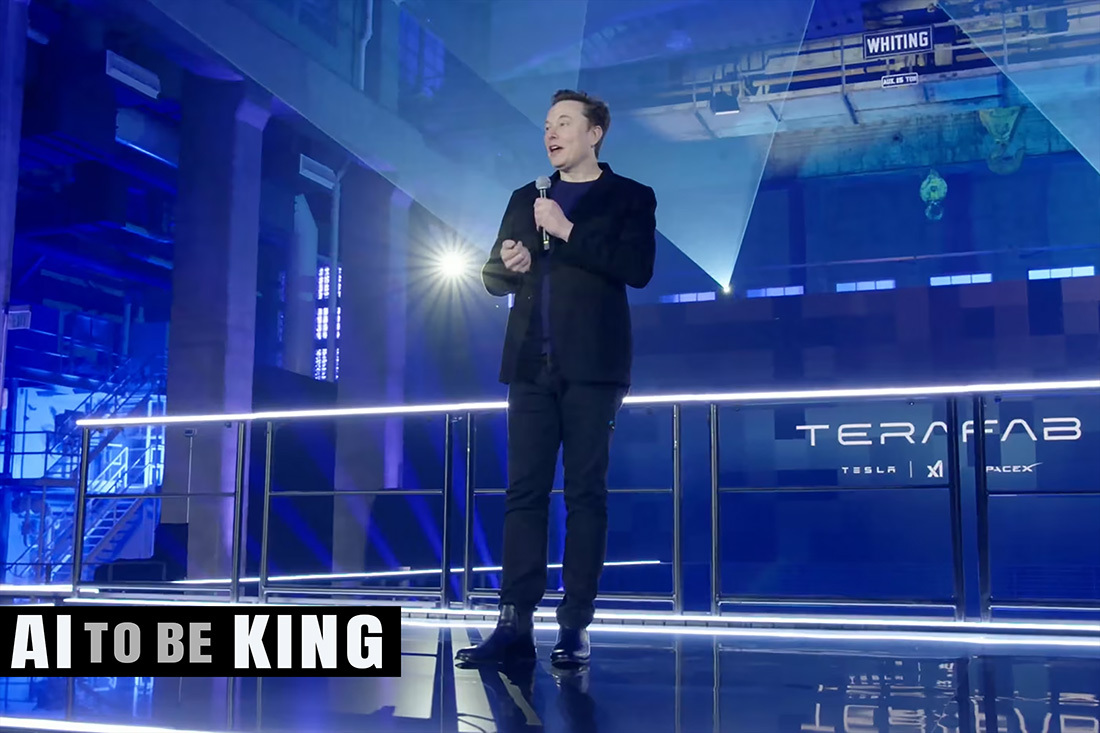
In a development that immediately attracted Wall Street’s attention, SpaceX Chief Executive Officer Elon Musk confirmed that SpaceX and Tesla have formed special committees to evaluate a potential combination of the two companies.
Musk expressed support for exploring the merger, pointing to the growing technological overlap between artificial intelligence, robotics, computing infrastructure, satellite communications, and advanced manufacturing.
No merger agreement has been reached, and there is no guarantee that a transaction will occur. Nevertheless, the confirmation elevates what had previously been speculation into a formal corporate discussion.
A potential combination would raise substantial questions concerning corporate valuation, shareholder interests, governance, regulatory scrutiny, and the future integration of aerospace, automotive, and artificial intelligence technologies.
Nearly $20 Billion Invested in a Single Quarter
SpaceX’s financial disclosures also revealed the extraordinary capital requirements of its expansion. Total third-quarter capital expenditures reached approximately $19.6 billion, including $16.4 billion attributed to the Super Intelligence division.
The company’s reported computing capacity reached 1.7 gigawatts by September 30, reflecting the enormous energy and infrastructure requirements associated with large-scale artificial intelligence operations.
These investments demonstrate the scale of SpaceX’s ambitions but also introduce significant financial risks. Future profitability will depend partly on whether demand for artificial intelligence computing services continues to justify the company’s aggressive infrastructure spending.
Wall Street Responds to a Changing Aerospace Giant
SpaceX shares advanced sharply following the earnings announcement. Reuters reported that the stock gained approximately 9.8% during Wednesday’s trading session, while Tesla shares also climbed as investors assessed the possibility of a future combination.
The announcement contributed to renewed enthusiasm for artificial intelligence-related equities, helping lift the technology-heavy Nasdaq Composite.
Yet the implications extend beyond stock prices. SpaceX is increasingly operating at the intersection of commercial spaceflight, global telecommunications, artificial intelligence, and advanced computing.
For the aerospace industry, this represents a potentially historic change. A company once defined primarily by reusable rockets and commercial launch services is developing into a diversified technology enterprise in which orbital infrastructure and artificial intelligence increasingly reinforce one another.
The central question is no longer simply how frequently SpaceX can launch rockets. It is how effectively the company can combine space transportation, satellite connectivity, computing infrastructure, and artificial intelligence into a sustainable technological and commercial ecosystem.
As the company enters the final quarter of 2026, its financial results and potential merger discussions place SpaceX at the center of a rapidly evolving aerospace and technology landscape.
Sources
SpaceX — Third Quarter 2026 Results, SEC Filing, October 20, 2026
Associated Press — SpaceX Earnings and Potential Tesla Merger, October 21, 2026
Reuters — Market Reaction and SpaceX Merger Discussions, October 21, 2026